Remove pigment spots with the PicoWay Laser in Frankfurt
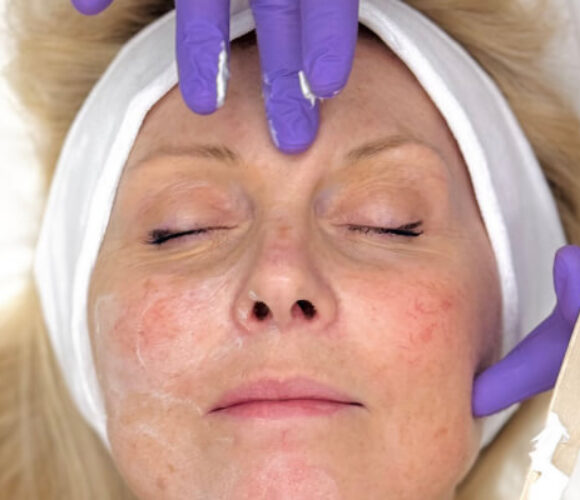
Brown spots, age spots, and sun spots—whatever you call them, unwanted pigmentation can be visibly reduced with modern laser technology. Depending on the type and severity of the pigmentation, Era Esthetic uses different laser systems, including the PicoWay® picosecond laser and the Candela CO₂RE fractional CO₂ laser.
How Pigmentation Removal with the PicoWay® Laser Works
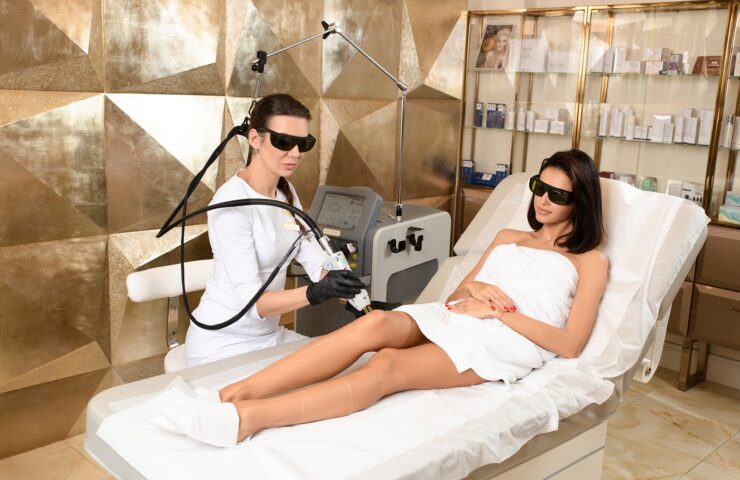
Picosecond technology uses ultra-short pulses of energy to create a photoacoustic effect that breaks pigmentation into tiny particles that are more easily absorbed and naturally eliminated by the body. Thanks to its patented technology, exceptional peak power, and the shortest pulse duration of any commercially available picosecond laser, PicoWay® delivers outstanding effectiveness, safety, and patient comfort.
Benefits
- FAST
Disturbing pigment spots can be removed quickly and easily with laser therapy.
- PRECISE
The impulses shatter the pigments into very small particles, which are then easily eliminated by our body’s natural processes.
- GENTLE & SAFE
The laser energy is converted into heat that destroys the lesion being treated while leaving the surrounding skin untouched.
- LOW PAIN
The skin is protected during the treatment by the dynamic cooling, in which cold spray is sprayed onto the skin.
FAQ
How many treatments are needed?
The effectiveness of the treatment depends on the extent and type of pigmentation. On average, 2–4 sessions are required. In many cases, combining different treatment methods may also be beneficial. Depending on the type of pigmentation, this may include treatment with a fractional CO₂ laser or microneedling. During a complimentary consultation, the experts at Era Esthetic will analyze your pigmentation and create a personalized treatment plan.
Can PicoWay also treat tattoos?
Yes, PicoWay is also safe and effective for the treatment of multicolored tattoos.
Which technology is used for the treatment?
Picosecond technology breaks down pigment deposited in the upper layers of the skin into tiny particles within one trillionth of a second. These particles are then naturally eliminated by the body's own processes.
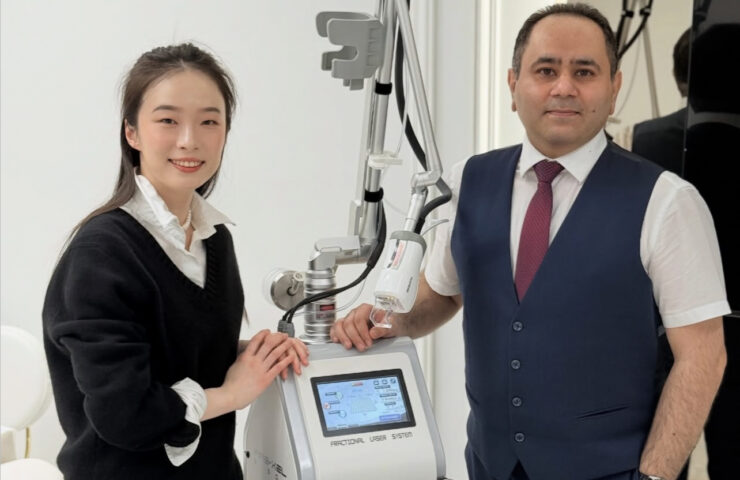
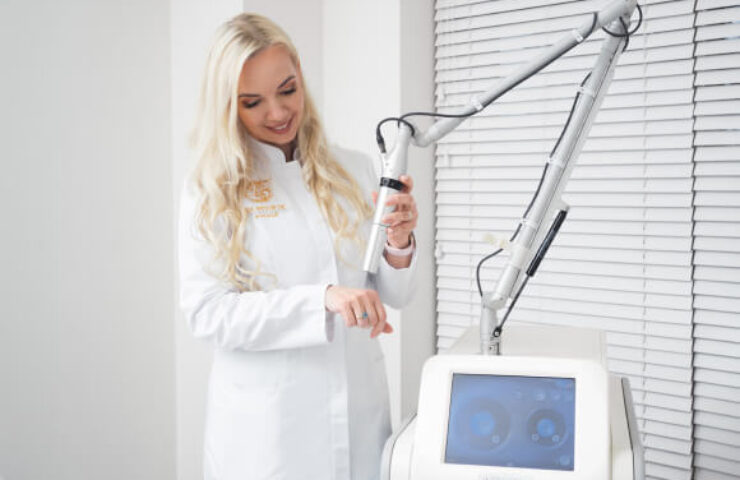
The Candela CO2RE is a medical laser system that produces an intense beam of light at a specific wavelength. Its fractional laser technology creates a dense grid of microscopic channels in the skin. It can be used to treat larger skin areas (e.g. fibromas or warts) or in Fusion Mode (e.g. for acne scars or skin tightening), where the laser is applied in a more widely spaced pattern.
How long does the treatment take?
The treatment time depends on the size of the pigmented area.
On average, a PicoWay laser treatment takes approximately 20–40 minutes.
Which types of pigmentation can be treated?
Most benign pigmented skin lesions can be treated with the PicoWay laser, including freckles, age spots, melasma, café-au-lait spots, and similar dark discolorations or hyperpigmentation.
What should I do before treatment?
No treatment during pregnancy.
Avoid intense sun exposure on the treatment area for at least 4 weeks before treatment.
Do not take medications that increase light sensitivity (e.g. antibiotics, cortisone, antidepressants, PrEP) for 2 weeks before treatment.
No treatment if Botox, hyaluronic acid, or fruit acid treatments have been performed on the treatment area within the last 6 weeks.
Avoid self-tanners and tanning beds for approximately 4–6 weeks before treatment and throughout the treatment period.
Do not apply creams, makeup, deodorant, hairspray, perfume, or other skincare products to the treatment area within 24 hours before treatment. Please inform us if you have applied any products to the area.
What should I do after treatment?
Use SPF 50 sunscreen for 3–4 weeks after treatment (reapply every 2.5 hours), and avoid tanning beds and self-tanners.
Avoid strenuous exercise for 7 days, as it may lead to fluid accumulation beneath the skin.
Avoid hot showers, saunas, steam baths, and hot tubs for several days.
Do not use bleaching creams or chemical peels for 14 days.
Redness may last for up to 72 hours, while swelling or small pustules may persist for up to 5 days.
We recommend using a rich moisturizer and hydrating masks during the first few days to support the healing process.
The treated area may temporarily become darker, dry, or flaky for up to 14 days.
Do not pick or scratch any scabs. Wash the area gently and apply moisturizer to allow natural healing.