Acne Treatment in Frankfurt – Clear Skin Without Endless Trial and Error
Blemishes, inflammation, and recurring breakouts affect many women and men in Frankfurt, often despite a consistent skincare routine and countless skincare products. The skin may improve temporarily, only for new blemishes to appear again.
Acne is usually more than a skincare concern—it is an active inflammatory process within the skin that requires targeted treatment. Modern medical technologies can help reduce inflammation, improve skin quality, and support a clearer, calmer complexion over the long term.
If you are searching for Acne Treatment Frankfurt, Acne Laser Therapy Frankfurt, Treatment for Blemished Skin Frankfurt, or Inflammatory Acne Treatment Frankfurt, we offer personalized treatment solutions designed to help you achieve visibly clearer, healthier-looking skin.
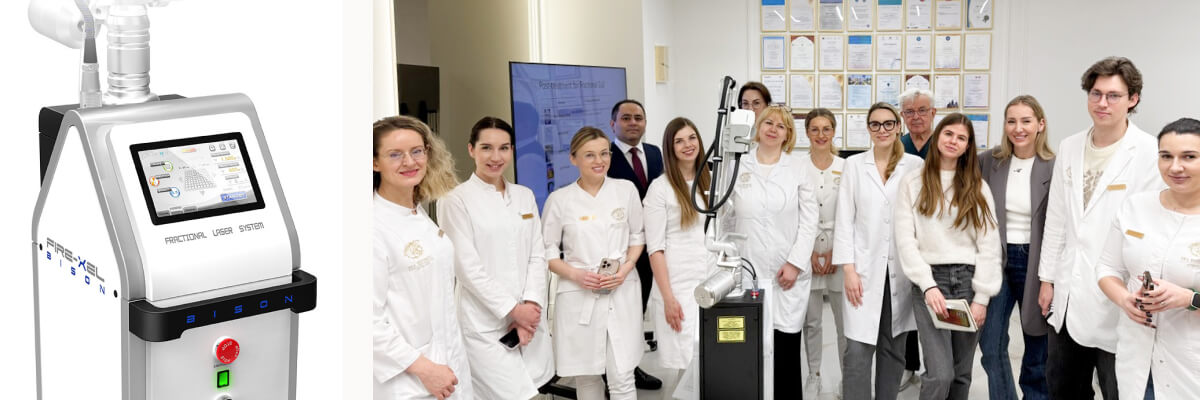
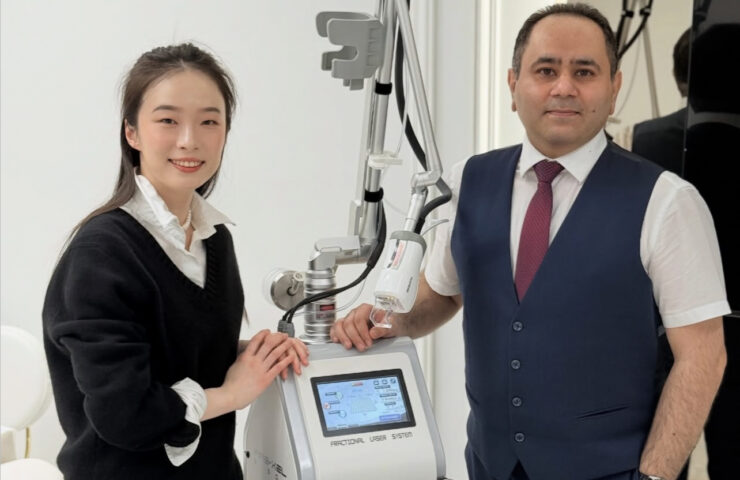
🚀 Fire-Xel CO₂ AI Launch
🔥 FULL FACE 499€
⭐ 3x only 449€ / procedure
Unit prices PicoWay Resolve ▼
Name
Price per treatment
Price per procedure when purchasing packages
Book
3
Eye Area
259€
199€
Book now
Decollete
399€
299€
Book now
Whole Face
439€
399€
Book now
Neck
349€
279€
Book now
Mouth Area
229€
189€
Book now
Forehead
229€
189€
Book now
Cheeks
299€
239€
Book now
COMPLEMENT YOUR TREATMENT
Available as an addition to your main treatment during the same appointment.
PRP / Vampire Lifting
179€
–
Book now
Supports skin renewal and helps improve skin quality.
Exosomes
139€
–
Book now
Complementary post-treatment skincare for a refreshed, well-cared-for appearance.
Dermaheal SB Peptides
89€
–
Book now
Complementary care for hydration and a brighter-looking complexion.
RECOVERY & HOME CARE
Exocell Mask (Home Use)
40€
–
Book now
Recovery Pack – 3 Masks ⭐ BEST VALUE
99€
–
Book now
Unit prices CO2 Laser CO2RE ▼
Name
Price per treatment
Price per procedure when purchasing packages
Book
3
Fire-Xel CO₂ AI Laser LAUNCH OFFER
Full Face – Launch Offer ⭐
499€
449€
Book now
MOST POPULAR AREAS
Face + Neck
699€
599€
Book now
Face + Neck + Décolleté – Full Rejuvenation ⭐ BEST VALUE
849€
699€
Book now
Acne Scars – Cheek Area ⭐
399€
333€
Book now
SMALL AREAS
Forehead
299€
254€
Book now
Eye Area
249€
212€
Book now
Cheeks
349€
297€
Book now
Mouth Area
249€
212€
Book now
COMPLEMENT YOUR TREATMENT
Available as an addition to your main treatment during the same appointment.
PRP / Vampire Lifting
179€
–
Book now
Supports skin renewal and helps improve skin quality.
Exosomes
139€
–
Book now
Complementary post-treatment skincare for a refreshed, well-cared-for appearance.
Dermaheal SB Peptides
89€
–
Book now
Complementary care for hydration and a brighter-looking complexion.
COMBINATION TREATMENT
CO2 Full Face + Exosomes ⭐ BEST VALUE
599€
–
Book now
RECOVERY & HOME CARE
Exocell Mask (Home Use)
40€
–
Book now
Recovery Pack – 3 Masks ⭐ BEST VALUE
99€
–
Book now
To enhance results and support faster recovery, most patients choose either Exosomes or PRP after CO₂ treatment.
Exosomes are preferred for accelerated healing and skin regeneration, while PRP is especially valued for improving pigmentation and natural collagen stimulation.
During our launch period, the Full Face + Exosomes combo offers the best overall value.
Pay in installments with MediPay
Plan your treatment now and spread the cost with convenient monthly installments.
Pay in installments with MediPay
For those who prefer more flexible payment options, we offer the possibility to pay in installments through our partner
MediPay.
After choosing your treatment, the center will send you a
MediPay application link
via email or SMS. Once you complete the online form, a quick credit check is performed. If approved, the contract can be confirmed digitally.
MediPay
pays the full amount directly to the center, and
you can spread the cost into convenient monthly installments
according to the plan that suits you best.
Why Does Acne Develop?
Acne is not a superficial problem. It develops deep within the skin as a result of several processes occurring at the same time.
The most common causes:
excessive sebum production
clogged pores
bacterial processes
chronic inflammation
hormonal fluctuations
stress
a compromised skin barrier
The result:
pimples
inflammation
redness
blemishes
painful acne
slow healing
risk of scarring
And most importantly:
If only the surface is treated, the underlying process remains active.
Effective Acne Treatment in Frankfurt Instead of Constantly Changing Products
At Era Esthetic Avenue Frankfurt, we use modern technologies specifically designed to treat active acne.
The technologies we use include:
VBeam Perfecta Laser
BBL HEROic AI Forever Clear
PicoWay Laser
Modern Technology for Your Acne Treatment in Frankfurt
Acne should not be treated only where it is visible. The treatment must control inflammation, reduce bacteria, calm the skin, and stabilize it over the long term.
The goal:
not a short-term improvement,
but clearer and calmer skin.
How Does Modern Acne Treatment Work?
The principle of modern acne therapy is clear:
reduce inflammation
control bacteria
regulate sebum production
activate skin regeneration
calm redness
stabilize the skin
This approach treats not just one individual symptom, but the entire process taking place within the skin.
VBeam Perfecta Frankfurt for Inflammatory Acne and Redness
Acne rarely disappears on its own. However, modern skin therapy can help visibly calm the skin and stabilize it over the long term.
Acne treatment in Frankfurt today means more than simply reducing pimples. It is about skin quality, control, and feeling comfortable in your own skin again.
Yes. Modern technologies can reduce inflammation and help stabilize the skin over the long term. The key is not only to treat individual pimples but to target and calm the active inflammatory process within the skin.
How many treatment sessions will I need?
This depends on your skin condition, the severity of your acne, and your treatment goals. In many cases, a series of sessions is recommended to gradually calm the skin and achieve long-lasting improvements.
When will I see the first results?
Many patients notice visible improvements after their first treatment sessions. The skin often appears calmer, new breakouts occur less frequently, and redness gradually fades over time.
Is acne treatment in Frankfurt painful?
Most treatments are well tolerated. Depending on the technology used, patients may experience warmth, mild tingling, or brief pulses on the skin during the procedure.
Can different technologies be combined?
Yes. A combination of VBeam Perfecta, BBL HEROic AI Forever Clear, and PicoWay can be particularly beneficial when several skin concerns are present at the same time. This approach allows active acne, redness, and post-acne marks to be treated more effectively.
Does the treatment also help with redness?
Yes. VBeam Perfecta is particularly effective at reducing inflammatory redness. It can also visibly improve redness that remains after acne lesions have healed.
Schedule Your Acne Treatment in Frankfurt
Acne rarely disappears on its own. However, modern skin therapies can help calm the skin, reduce inflammation, and improve its condition over the long term.
Today, professional acne treatment in Frankfurt is about much more than treating individual pimples. It focuses on improving skin quality, achieving long-term control, and helping you feel confident in your own skin again.